










































Alcohol Use: Summary of the Findings from the Third National HIV Communication Survey
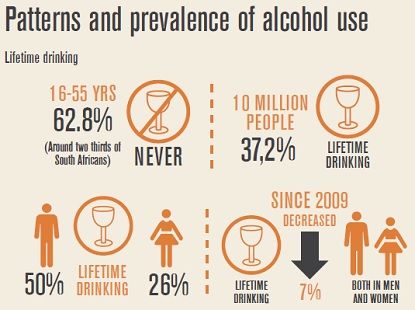
Based on findings from the Third National HIV Communication Survey, this document looks at behaviour related to alcohol abuse, which is considered a major risk factor for HIV infection in South Africa. The intention of this paper is to assist policymakers and planners in the design of future HIV communication strategies and programmes.
The third NCS was conducted jointly by Johns Hopkins Health and Education in South Africa (JHHESA), loveLife and Soul City Institute for Health and Development Communication, with data analysis by Health and Development Africa (HDA) and Johns Hopkins Bloomberg School of Public Health. The main aim of the survey was to examine the impact of a number of communication programmes and their components in South Africa (see Related Summary below for the Report), however the data is also being used to understand behaviours in order to inform future communication interventions.
The objectives of this analysis of the NCS data are to:
- Describe attitudes in relation to alcohol
- Explore patterns and prevalence of alcohol use
- Identify who is most likely to use alcohol
- Describe the relationship between alcohol and risky sexual.
behaviour.
The findings are based on data collected from a representative sample of 4,065 males and 5,969 females aged 16-55 years in 2012. They show that most respondents don’t think that getting drunk is cool or that it is okay to send children to buy alcohol. There were mixed perceptions around risk, with over half thinking it was easier to have sex with someone who goes to drinking establishments and the large majority agreeing sexual partners who have too much to drink will not care about HIV.
According to the findings, the majority of South Africans do not drink, but those who do often binge drink and display "drinking patterns which placed them at high risk for adverse health events." This is particularly true for men. However, "there were demonstrable relationships between alcohol and MSP for both men and women. Binge drinkers were more likely to have had multiple sexual partners, both in the last year and in the last month."
The summary offers a number of different recommendations for health communication programmes. These include countering perceptions of drinking as an accepted social norm, while also promoting safer drinking practices and awareness about HIV risk while drinking, particularly to address binge drinking. Strategies to consider include using gender specific approaches, implementing interventions in drinking establishments, and advocating for policies such as warning labels and banning alcohol advertising.
Johns Hopkins Health and Education South Africa newsletter from October 2014.
- Log in to post comments