










































Bridging the Gaps: Improving Decentralized HIV Services in Panama
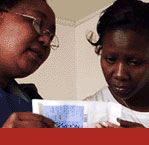
From "The Voices from the Capacity Project" series, this article discusses the provision of HIV-related services in Panama through an interview with nurse Liliana Hines of the Manuel Amador Guerrero Hospital, Colón, Panama. The Capacity Project was a five-year programme, ending September 30 2009. The Capacity Project worked on the decentralisation of HIV services by helping national HIV programmes in Belize, Costa Rica, El Salvador, Guatemala, Nicaragua, and Panama to improve performance and supervision systems to address their challenges. This project was funded by the United States Agency for International Development (USAID) and implemented by IntraHealth International and partners.
Formerly, as indicated here, only a few specialised hospitals offered HIV services. Central American countries are trying to increase the number of hospitals that provide decentralised HIV services because of increased demand; yet, some facilities struggle with issues such as weak infection prevention practices, poor nutritional care for patients, and persistent discriminatory practices. For example, Nurse Hines describes the assignment of a donation of yellow sheets to HIV patients, who found an associated stigmatisation resulting from their use.
Working closely with the national HIV programmes, the Project developed draft performance standards. "In each country, multidisciplinary teams - including hospital staff like Hines - revised the draft standards, making them compatible with national policies and guidelines. Using the Project’s performance support approach, the teams assessed the quality of HIV service provision based on performance standards, and developed and implemented local action plans for bridging the gaps."
According to Nurse Hines, "Now we are working together....Whenever a patient comes here for the first time we will send him to the social worker, the psychologist, the nutritionist... and they get a little from everybody. Because at the beginning they’d only see the nurse, the nurse assistant and the doctor that is taking care of them, but now they’re seeing other persons that are willing to help them, to make them have a better quality life. We have sessions with the family where we explain to them what really is HIV/AIDS. We notice that these patients that have the support of their family, they have a better response to the treatment.” Another strategy implemented by the Panamanian team is increased attention to nutritional care. Patients are fed when they have clinical visits. A strategy used by the Capacity Project among participating institutions is awarding improvement on project assessments. Awards are provided by USAID and will continue after the close of the project.
According to the article, "Across the region, assessments showed marked improvement in hospitals’ performance, many averaging an increase of 30% and some of almost 60%. Teams incorporated infection prevention supplies into the regular procurement lists, acquired basic equipment that was missing, addressed stigma and discrimination and trained cleaning staff to adhere to safety procedures."
Implementing Best Practices (IBP) Knowledge Gateway on September 14 2009.
- Log in to post comments