










































Characterizing the Vaccine Knowledge, Attitudes, Beliefs, and Intentions of Pregnant Women in Georgia and Colorado
Johns Hopkins University Bloomberg School of Public Health (Dudley, Limaye, Salmon); Yale University (Omer, Ellingson, Bednarczyk); Yale Institute for Global Health (Omer); Yale New Haven Hospital (Omer); Adult and Child Consortium for Health Outcomes Research and Delivery Science (O'Leary, Spina, Brewer); University of Colorado Anschutz Medical Campus (O'Leary, Brewer); Emory University (Chamberlain, Bednarczyk, Malik); University of Nevada (Frew)
Vaccine hesitancy among parents has emerged in recent decades as a threat to high coverage among children in the United States (US), leading to the clustering of vaccine refusal and associated outbreaks of vaccine-preventable diseases (VPDs). Vaccine coverage for maternal vaccines is suboptimal; only about half of pregnant women in the US received influenza and Tdap vaccines in 2018. This study explored knowledge, attitudes, beliefs, intentions, and trust regarding maternal and infant vaccines among pregnant women.
Between June 2017 and July 2018, the researchers surveyed 2,196 pregnant women recruited from geographically and socio-demographically diverse prenatal care practices in Georgia and Colorado, US. Selected results:
- Over three-quarters of pregnant women were confident that getting influenza and Tdap vaccines during pregnancy was safe both for themselves (76% for influenza, 80% for Tdap) and their unborn babies (76% for influenza, 81% for Tdap). Eighty-six percent of women were confident that infant vaccines were safe for their babies after birth.
- Most women perceived influenza (85%) and whooping cough (76%) infections as dangerous for pregnant women.
- More women perceived a reduction in disease risk for themselves (69% for influenza, 75% for Tdap) than for their unborn baby (47% for influenza, 62% for Tdap) by vaccinating during pregnancy (p < .01); however, 73% of women perceived a reduction in their baby's risk of whooping cough from the diphtheria, tetanus, and acellular pertussis (DTaP) infant vaccine.
- Nearly every woman considered getting vaccines for themselves during pregnancy (98%) or for their baby after birth (96%) as being within their control.
- Most women thought that the majority of their friends and family would encourage them to get the vaccines recommended during pregnancy (72%) and recommended vaccines for babies (81%).
- Most women thought they already had most of the important information they needed to make decisions about vaccines during pregnancy (82%) and for their babies (84%).
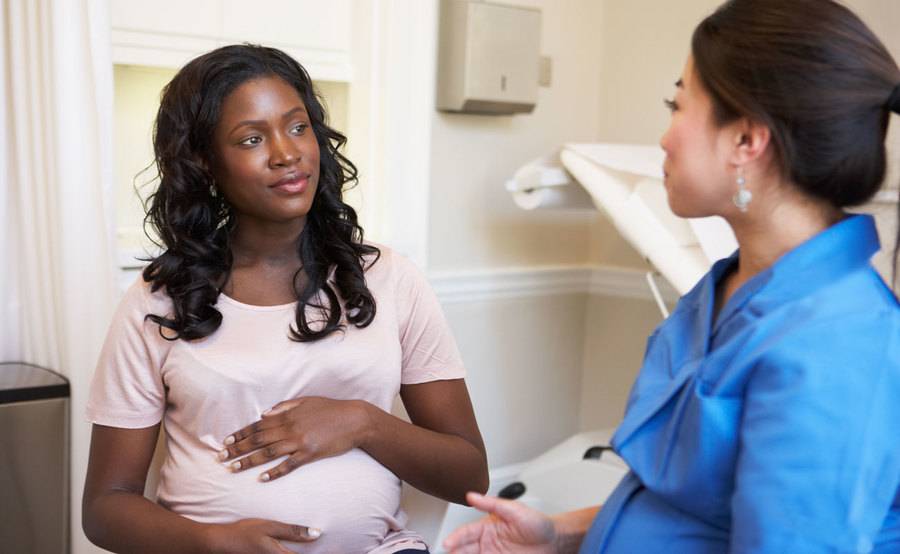
- The vast majority of women (93%) trusted the information provided by their obstetrician or midwife about maternal and infant vaccines.
- Fifty-six percent of pregnant women intended to receive both influenza and Tdap vaccines during pregnancy, and 68% intended to vaccinate their baby with all recommended vaccines on time.
Attitudinal constructs associated with intention to vaccinate include confidence in vaccine safety (odds ratios (ORs): 16-38) and efficacy (ORs: 4-19), perceived risk of VPDs (ORs: 2-6), pro-vaccine social norms (ORs: 4-10), and trust in sources of vaccine information. Women pregnant with their first child were less likely than women who had prior children to intend to vaccinate themselves and their children, more likely to be unsure about their intentions to receive both maternal and infant vaccines, and less likely to report feeling they had enough knowledge or information about vaccines and vaccine safety (p < .01). "This supports the idea that during a woman's first pregnancy, there is a 'teachable moment' due to vaccine attitudes and beliefs not being as solidified at this point as they are after having a child..."
In conclusion, this sample of US pregnant women "demonstrated suboptimal maternal vaccine knowledge and intentions. First-time pregnant women were substantially less certain in their vaccine knowledge and intentions than women with prior children, demonstrating the opportunity for vaccine education to increase vaccine confidence and informed decision-making at this stage of life, especially coming from highly trusted sources of vaccine information for pregnant women such as obstetricians and gynecologists. Such educational interventions should be individually tailored and focus on the risk of VPDs while reinforcing confidence in vaccine safety and efficacy and the trustworthiness of reputable sources of vaccine information."
Human Vaccines & Immunotherapeutics, DOI: 10.1080/21645515.2020.1717130. Image credit: Scripps Health
- Log in to post comments