










































Decentralization, Local Power and Women's Rights: Global Trends in Participation, Representation and Access to Public Services
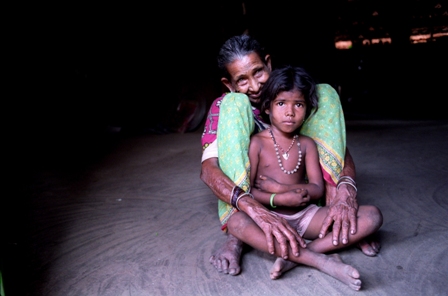
"Decentralization has changed the political and institutional context for promoting the full and equal rights of citizens in many societies around the world. By transferring functions, resources, and varying degrees of political and fiscal autonomy to regional, local, or municipal governments, decentralization can provide new opportunities for women and men to participate and be represented on the matters that most closely affect their lives. Decentralization reforms are promoted as a means of deepening democracy and improving development. However, these processes have not been sufficiently gender sensitive..."
This International Development Research Centre (IDRC) document includes a set of policy recommendations that emerged from an international conference on decentralisation, local power, and women's rights held in Mexico City, Mexico, in November 2008. Hosted by the IDRC, the Government of Mexico, and the United Nations Development Programme (UNDP) [with support from additional UN and bilateral organisations], the conference challenged the assumption that decentralisation policies that strengthen democracy and citizen participation are also good for those who have been marginalised from government decision-making - namely, women. The Conference brought together over 500 policy-makers, national and local government officials, researchers, civil society and grassroots activists, and representatives of international agencies from more than 50 countries, to discuss their research and experience in this field.
By exploring the gendered dimensions of decentralisation, this paper is intended as a resource for action, to be taken up by policymakers, politicians, civil society organisations (CSOs), and multilateral, bilateral, and donor agencies seeking to promote and protect equal, equitable, and effective citizenship for all people.
Following some background points, a list of 13 findings is presented. For example, the research and experiences shared at the conference demonstrate that decentralisation is not a panacea and does not automatically benefit women and men equally. For instance, decentralisation can reinforce elite power, including discrimination against women. It frequently fails to address not only gender discrimination, but also other structural divisions and inequalities.
Among the forward-thinking findings outlined here: Decentralisation is likely to contribute to sustainable development when it is linked to the democratic aspirations of women and men, and responds to local political, social, economic, and cultural needs and conditions. Promoting gender equality and equity in decentralisation therefore involves political processes such as advocacy, negotiation, networking, constituency building, and collective mobilisation by grassroots groups, non-governmental organisations (NGOs), local authorities, and others. Conference participants found that women's effective participation must be facilitated through special measures, such as quotas and reserved seats in political bodies, and through support for women's capacity development and networking. Resources must be provided to respond to local women's priorities, and structures, practices, and beliefs that disempower many women must be addressed.
A series of recommendations follows. This section is divided into the following categories: design and review of decentralisation policies; roles and responsibilities; women's participation and representation; access to decentralised services and resources; fiscal decentralisation, access to finances, and remuneration; capacity building; communication, dissemination, and support networks; and monitoring and evaluation.
For example, a series of proposals concern disseminating information on quotas and other mechanisms and policies that support women's participation in local governance, and ensuring that women, once elected, have equal access to the information they require to effectively promote gender-sensitive policy objectives. Conference participants stressed the need to document and give visibility to female role models and positive experiences of women in decentralisation by publicising and recording women's challenges, struggles, and victories in the political field through radio, television, print media, and the internet.
The importance of networking is also emphasised, as reflected in the recommendation to support the formation of cross-party associations of locally elected women to monitor and lobby for gender-sensitive policy at national and local government levels and to support each others' efforts in sub-national spheres, with special platforms for women of disadvantaged groups. Capacity-building is crucial, as well; it is suggested that federations of municipalities are supported through training in gender equality and equity, and are guided in sharing resources and experiences on gender equity in municipal government and civil society.
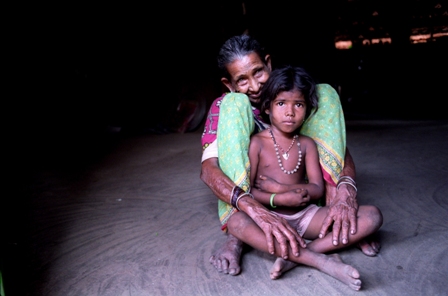
Emails from Emilie Béland to The Communication Initiative on April 27 2009 and June 2 2009; and IDRC website. Image credit: IDRC photo by Jason Taylor.
- Log in to post comments