










































Ndizathuzomwe Civic Education Radio
The project uses participatory communication methodologies in an effort to ensure national dialogue around development issues. It works to facilitate people's participation at all levels of development efforts to identify and implement appropriate and sustainable policies, programmes, and technologies to reduce poverty and improve people's livelihoods.
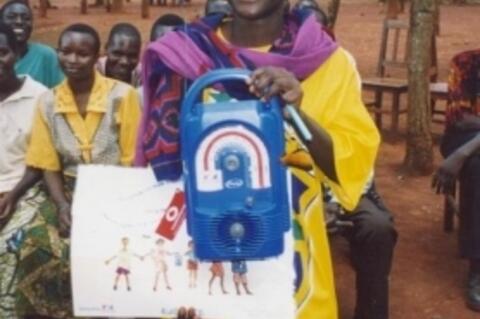
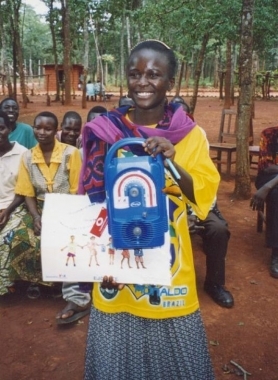
Broadcast on MBC Radio One, the radio programmes follow a magazine format including village voices and panel discussions. To support the broadcasts, organisers have established more than 30 Radio Listening Clubs (RLCs) across the country, each of which assumes the role of facilitating development in their areas. One of the objectives of the RLCs is to involve the public in strengthening community capacities to intervene more directly in development initiatives and other national issues by creating debate on local problems, needs and concerns.
As suggested by the name of the programme - "Ndizathozomwe", which means "It is Ours" - the project is meant to provide access to all parts of Malawian society, with particular emphasis on the most marginalised. Community mobilisation exercises have focused on developing tools for assessing need. Structures have been established in communities to facilitate access for women, youth, the elderly, orphans, and people living with HIV/AIDS thus far.
Participatory Communication, Poverty Reduction, Political Development.
Because of the ratification of the communications bill in Malawi, the MBC is required to operate in accordance with a series of democratic principles which present civil society with a chance to determine the content of broadcast material. To respond to this challenge, the MBC established a DBU that is designed to provide the MBC with a sustainable resource through which community-based programming will continue to be produced, encouraging a participatory approach to communication. The ultimate aim is to support democratic development by creating effective dialogue.
The DBU has entered contracts with a variety of partners to provide programming in various sectors. Nonetheless, the participatory ethos of programming remains the same. The communities define themselves, identify and prioritise their problems, and plan an active role in the development solution with service providers. As a result, 80% of all programmes are produced in the field.
In 2000, the project won the Rolls-Royce Award for Excellence in Broadcasting for Innovative Project Management, presented by the Commonwealth Broadcasting Association. The project has also been featured in a number of international publications.
Malawi Broadcasting Corporation, University of Malawi, Ministry of Information, Malawi CARER, Project HOPE, Women & Law in Southern Africa, and Christian Services Commission. Funding provided by the UK Department for International Development (DFID)
Email from Alice Munyua to The Communication Initiative; Radio for Development (renamed Media for Development) newsletter; and Media for Development website, July 12 2010.
- Log in to post comments