










































1 minute
Positive Prevention: HIV Prevention with People Living with HIV
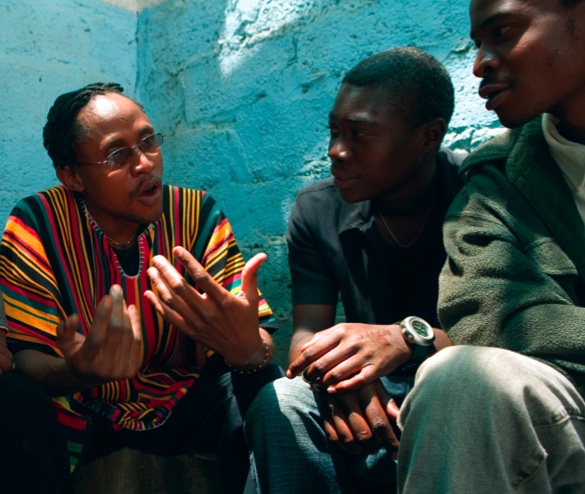
The International HIV/AIDS Alliance has published this report as a resource to help non-governmental organisation (NGO) staff and HIV service providers working across the spectrum of HIV prevention, treatment, care, and support services to take steps towards integrating HIV prevention for, by, and with people living with HIV.
After introducing and defining positive prevention, the paper provides a set of guiding principles for positive prevention and details strategies to successful positive prevention in practice.
The strategies are grouped under four main themes to illustrate their interconnectedness and underscore the importance of implementation in combination. Relevance of individual strategies to different groups and needs, and issues to consider, are noted within the strategy descriptions, and case studies examples are provided to supplement several of the strategies in practice.
The four main themes identified are:
- Individually focused health education and support;
- Ensuring access, scaling up, and improving service delivery;
- Community mobilisation; and
- Advocacy and policy change.
Within these themes, some of the strategies discussed include:
- Information and education;
- Post-test and ongoing counselling;
- Dealing with disclosure;
- Developing referral systems;
- Facilitating peer support groups;
- Training HIV positive people as peer educators and counsellors;
- Prevention advocacy; and
- Creating a supportive legal and policy environment for positive prevention.
Publishers
36
Publications page of the International HIV/AIDS Alliance website, June 26 2011 and September 3 2014.
- Log in to post comments