










































The SASA! Activist Kit for Preventing Violence against Women and HIV
Image
SummaryText
This toolkit offers a comprehensive, user-friendly programme tool for organisations interested in mobilising communities to prevent violence against women and HIV infection. The programme tool explains the SASA! methodology which is meant to inspire, enable, and structure effective community mobilisation to prevent violence against women and HIV/AIDS.
To address the root causes of violence against women, SASA! is an exploration of power — what it is, who has it, how it is used, how it is abused, and how power dynamics between women and men can change for the better. SASA! demonstrates how understanding power and its effects can help us prevent violence against women and HIV/AIDS. Throughout SASA! activists focus on the "power" between "men" and "women". By using simple, relevant language that is easily understood, rather than terminology like gender, rights-based or gender-based violence, activists and community members can meaningfully engage on the key issues.
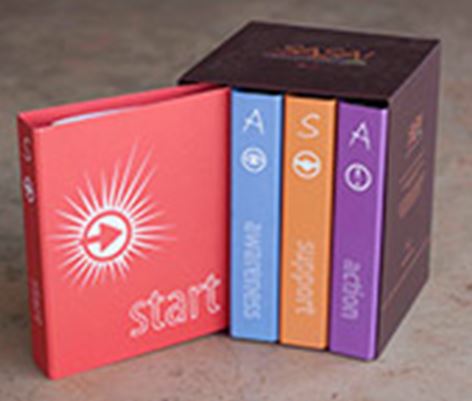
SASA! is organised into four phases based on the Stages of Change Model. SASA! also serves as an acronym for the these four phases of community mobilisation that scale up the stages of change to enable a community to move through a series of activities and experiences naturally.
The Activist Kit is divided into the four phases to guide each phase in the process. It includes practical resources, activities and monitoring and assessment tools for local activism, media and advocacy, communication materials, and training.
The four phases are as follows:
Start - During the first phase, community members are encouraged to begin thinking about violence against women and HIV/AIDS as interconnected issues and foster power within themselves to address these issues.
Awareness - The second phase of SASA! aims to raise awareness about how our communities accept men’s use of power over women, fueling the dual pandemics of violence against women and HIV/AIDS.
Support - The third phase focuses on how community members can support women experiencing violence, men committed to change, and activists speaking out on these issues by joining their power with others.
Action - During the final phase, men and women take action using their power to prevent violence against women and HIV/AIDS.
The Activist Toolkit also includes a film and screening guide. The SASA! film is a 30-minute documentary that explores the connections between violence, HIV and power in women’s lives. A Screening Guide is included to help organisations use the film as an education and advocacy tool in their efforts to prevent violence against women and HIV. The film can also be viewed as a shortened six minute version.
To address the root causes of violence against women, SASA! is an exploration of power — what it is, who has it, how it is used, how it is abused, and how power dynamics between women and men can change for the better. SASA! demonstrates how understanding power and its effects can help us prevent violence against women and HIV/AIDS. Throughout SASA! activists focus on the "power" between "men" and "women". By using simple, relevant language that is easily understood, rather than terminology like gender, rights-based or gender-based violence, activists and community members can meaningfully engage on the key issues.
SASA! is organised into four phases based on the Stages of Change Model. SASA! also serves as an acronym for the these four phases of community mobilisation that scale up the stages of change to enable a community to move through a series of activities and experiences naturally.
The Activist Kit is divided into the four phases to guide each phase in the process. It includes practical resources, activities and monitoring and assessment tools for local activism, media and advocacy, communication materials, and training.
The four phases are as follows:
Start - During the first phase, community members are encouraged to begin thinking about violence against women and HIV/AIDS as interconnected issues and foster power within themselves to address these issues.
Awareness - The second phase of SASA! aims to raise awareness about how our communities accept men’s use of power over women, fueling the dual pandemics of violence against women and HIV/AIDS.
Support - The third phase focuses on how community members can support women experiencing violence, men committed to change, and activists speaking out on these issues by joining their power with others.
Action - During the final phase, men and women take action using their power to prevent violence against women and HIV/AIDS.
The Activist Toolkit also includes a film and screening guide. The SASA! film is a 30-minute documentary that explores the connections between violence, HIV and power in women’s lives. A Screening Guide is included to help organisations use the film as an education and advocacy tool in their efforts to prevent violence against women and HIV. The film can also be viewed as a shortened six minute version.
Publishers
Publication Date
Languages
English
Source
Email from Lori Michau to The Communication Initiative on June 23 2008; and Raising Voices website on May 2 2008, August 27 2013, and May 12 2022. Image credit: Raising Voices
- Log in to post comments