










































Promoting Positive Gender Roles in Marketing and Advertising in the Context of COVID-19: Key Considerations for Business
"Emergencies can offer opportunities for heightened awareness around positive change and promote the importance of women's voices and leadership."
During the COVID-19 pandemic, businesses may be communicating to customers or employees about protective behaviours, highlighting helpful products or services, reflecting the reality of changed lives, and/or communicating initiatives for social good. This joint United Nations Entity for Gender Equality and the Empowerment of Women (UN Women)-United Nations Children's Fund (UNICEF) publication provides recommendations for corporate entities so that their communications for the public during COVID-19 avoid harmful stereotypes and depict positive and progressive gender portrayals.
UNICEF and UN Women report that restrictions on movement and the socio-economic fallout of the crisis put women and children at heightened risk of abuse, neglect, and violence. To avoid harmful gender stereotypes that can increase the burden on women and girls, the Unstereotype Alliance, UN Women's action platform that seeks to eradicate harmful gender-based stereotypes in all advertising and media, suggests that businesses consider applying the 3Ps framework:
- Presence: considers who is featured in the communication. Ensure that a diversity of people - including girls and boys, women and men - are included.
- Perspective: relates to the framing of the communication, and from whose perspective the story is told. Take care to feature female and male perspectives, equally.
- Personality: refers to the depth of the character. Portray men and women, children and young people as multidimensional, with their own depth of personality and agency.
Recommendations are provided in these areas:
- Depicting work practices - For example, show how technological solutions in a family context allow all members of a household to work effectively, and show women using technology as much as men.
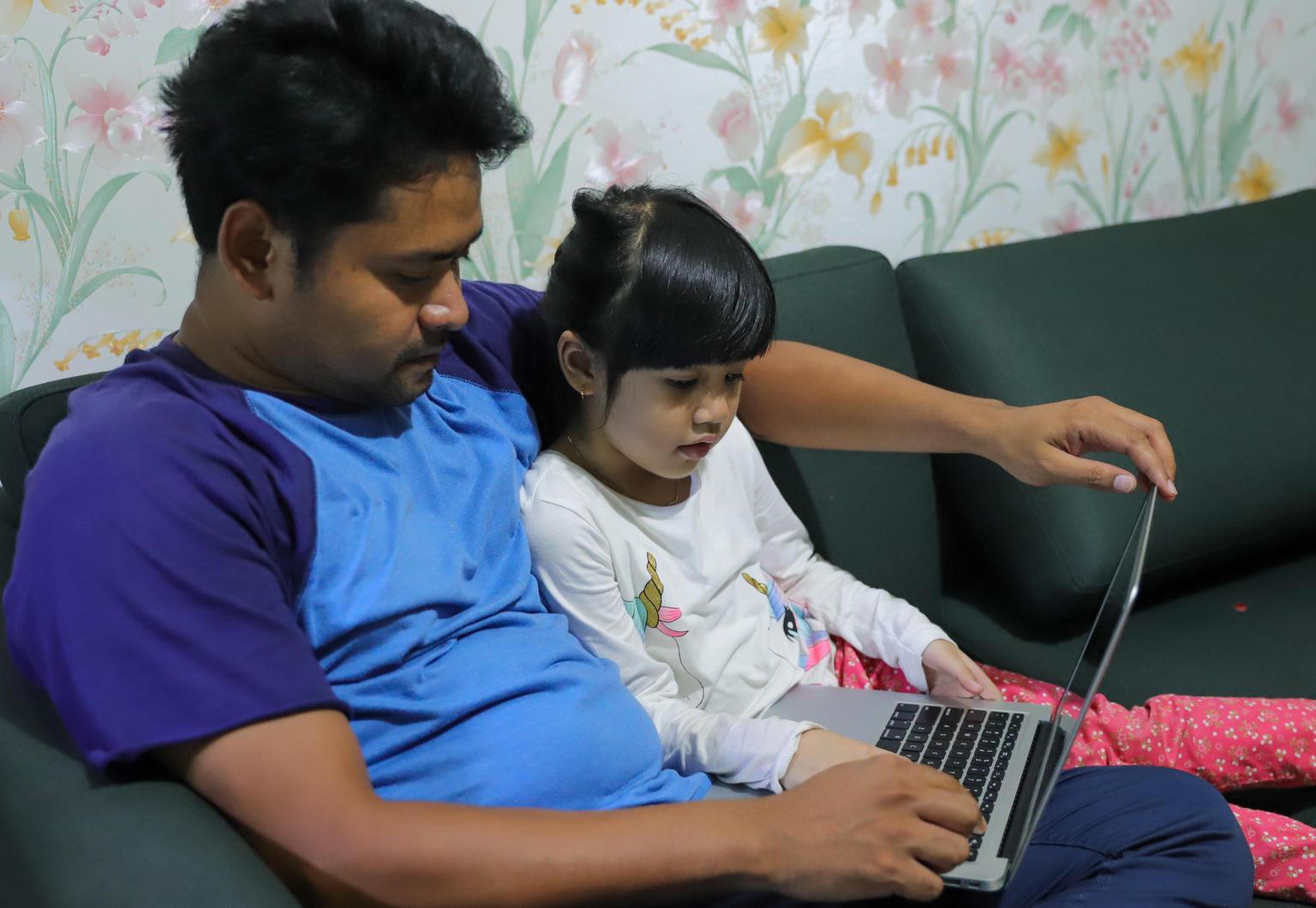
- Depicting education at home - For example, show both men and women helping children of all ages in home-schooling situations, not just mothers.
- Depicting household tasks and burdens of care - For example, show fathers as well as mothers demonstrating correct methods of handwashing and preparing healthy meals.
- Communicating options for home exercise and personal health - For example, avoid messages that encourage women and girls to use quarantine as a time to lose weight or achieve beauty standards.
The resource also offers ideas for action on the part of businesses that support positive gender norms beyond marketing, advertising and other communications:
- The workplace - For example, set up easily accessible hotline services for employees that provide resources and guidance for preventing domestic abuse and violence and that enable them to report risk or instances in the home or other settings.
- The marketplace - For example, take the opportunity to discover new local businesses, particularly women-owned companies, and support them by sourcing their products and services.
- The community - For example, contribute targeted financial products and services that help women and girls overcome specific COVID-19 challenges.
English; Turkish
8
UN Women website, June 2 2020; and emails from Oisika Chakrabarti and Elspeth Ianson to The Communication Initiative on June 2 2020. Image credit: © UNICEF/2020/Dinda Vesk
- Log in to post comments